
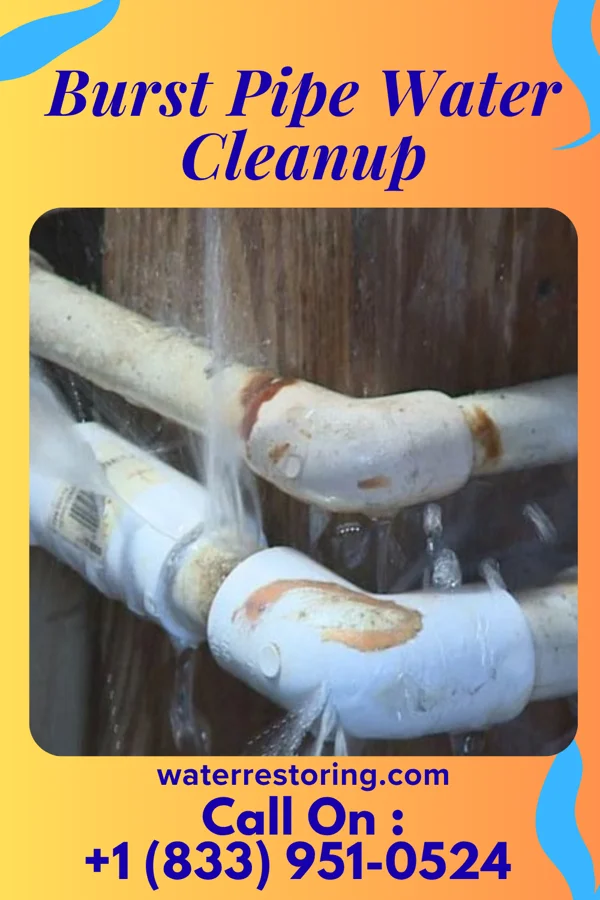
Why Burst Pipes Hit St. Hilaire Hard
The pattern in St. Hilaire is consistent. St. Hilaire, Minnesota, experiences a high risk of burst pipes due to its rural setting and aging infrastructure. Many homes in the area have older plumbing systems that are more prone to failure, especially during temperature fluctuations. The combination of cold winters and occasional thawing can put significant stress on pipes, leading to sudden bursts. drives most of the emergency restoration calls we get. A close second is The presence of underground water sources and the lack of modern insulation in many homes increases the likelihood of pipe bursts. Additionally, the area's low population density means that some homes are not regularly maintained, contributing to a higher risk of unexpected pipe failures..
St. Hilaire's climate, characterized by harsh winters and unpredictable spring thaws, poses a significant risk for burst pipes. The cold temperatures can cause water in pipes to freeze and expand, leading to cracks and eventual bursts. This is especially prevalent in older homes with inadequate insulation.
St. Hilaire's climate, characterized by harsh winters and unpredictable spring thaws, poses a significant risk for burst pipes. The cold temperatures can cause water in pipes to freeze and expand, leading to cracks and eventual bursts. This is especially prevalent in older homes with inadequate insulation. The dominant local driver is St. Hilaire, Minnesota, experiences a high risk of burst pipes due to its rural setting and aging infrastructure. Many homes in the area have older plumbing systems that are more prone to failure, especially during temperature fluctuations. The combination of cold winters and occasional thawing can put significant stress on pipes, leading to sudden bursts., with The presence of underground water sources and the lack of modern insulation in many homes increases the likelihood of pipe bursts. Additionally, the area's low population density means that some homes are not regularly maintained, contributing to a higher risk of unexpected pipe failures. showing up as the next most common cause. Damage builds in stages. Spread. Absorption. Microbial growth. Structural compromise. Every stage you pass through adds to the final bill.